





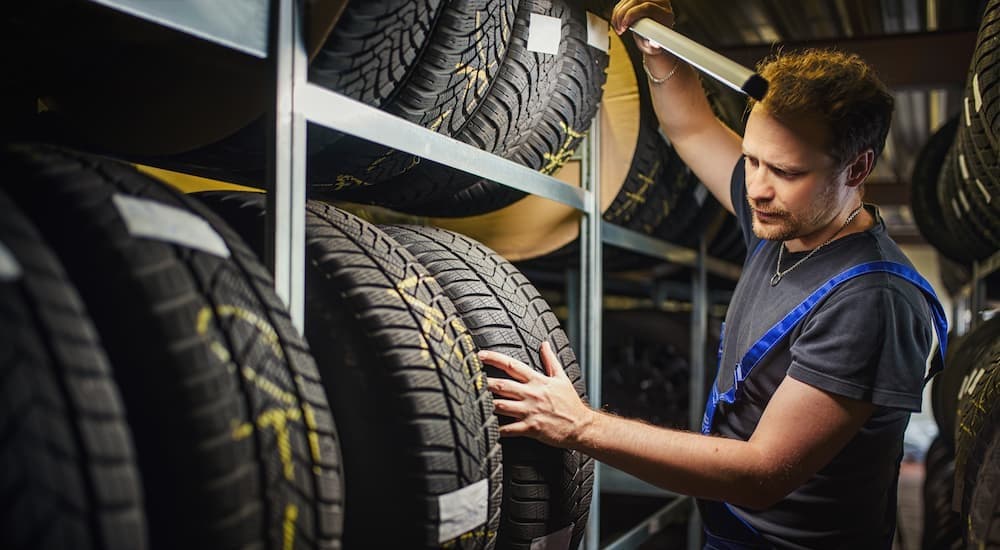
Healthy tires from a reliable tire shop make for happy travels. The condition of your tires affects nearly every part of your driving experience, from cornering stability to fuel efficiency to overall safety. Above all, properly maintained tires are essential to keeping your vehicle safe and predictable on the road. That’s why if you value the longevity of your vehicle, it’s important to keep your tires in great condition. Whether you’re performing quick at-home inspections or scouting for replacements, you need to invest in your vehicle’s tire health.
That’s why we decided to help drivers by putting together a short guide explaining the importance of tire health, and a few ways to help protect your vehicle and get the most out of your tires. This includes tire rotations, tire balancing and alignment, and when to replace your tires. These tips can help you get the most out of your vehicle and your tires.
Why Maintaining Your Tires Is Important
Maintaining your tires can significantly increase your vehicle’s value and condition. It has a ripple effect on many other aspects of the vehicle, including the control arms, suspension, brakes, fuel economy, and even steering. Good tires can help reduce service costs over a period of time, whereas tires that are not well-maintained can end up costing you more over a longer period of time.
Poorly maintained tires can contribute to uneven wear, alignment issues, and additional strain on suspension and steering components. Over time, this can make your vehicle feel unstable and harder to control. When a vehicle pulls or drifts, drivers often compensate by braking or correcting the steering more frequently, which can accelerate component wear and increase overall maintenance costs.
Tires can also impact your fuel economy. If the vehicle is veering more in one direction than the other, you may not only find yourself braking more frequently, but also applying more gas to compensate for the increased braking, wearing down components, and expending more fuel. As a result, you may end up finding yourself racking up a large maintenance bill, all because of your tires.
That’s why it’s important to maintain your vehicle’s tires. Even if all you do is short, quick errands around town, or you have a smaller vehicle, keeping your tires maintained is still beneficial for getting the most longevity out of your ride. This applies doubly so to larger vehicles, where worn tires can quickly cause other parts to degrade if left unattended, especially for SUVs, vans, or trucks used frequently for towing and hauling.
The Benefits of Rotating Your Tires
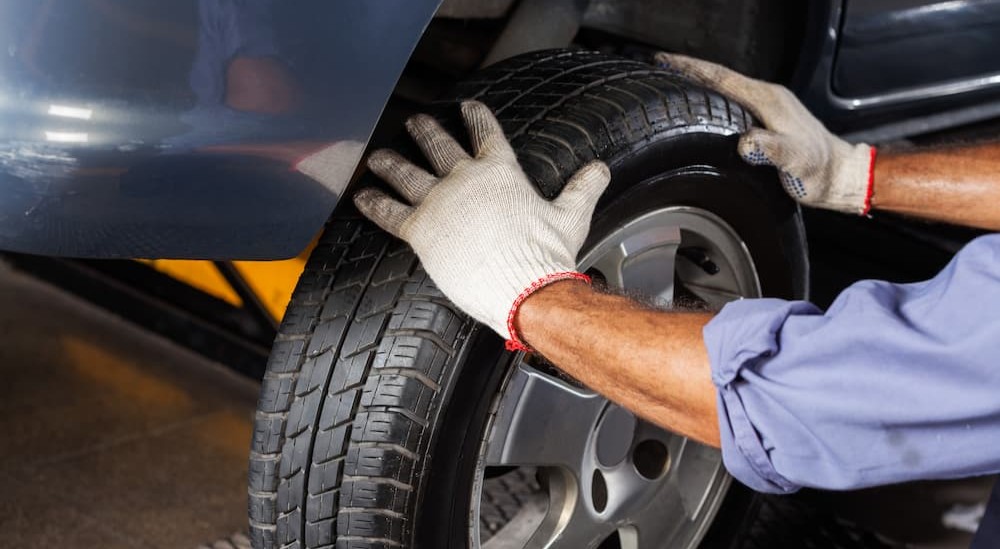
Rotating your tires is one of the best ways to preserve their longevity and get the most out of them. This is especially true if you’re doing a lot of commuting and travel during the warmer seasons, when tires are more likely to wear down more quickly due to higher temperatures and higher speeds. Regular tire rotation extends tread life and helps maintain consistent handling and stability.
Tire rotation patterns vary depending on your vehicle’s drivetrain and tire type, but the goal is the same: to distribute wear evenly across all four tires. This gives you extra balance in terms of wear and how the vehicle handles, because if you’re frequently driving in areas where you make more left-hand or more right-hand turns, it can create uneven wear on one side of the vehicle over the other. This can cause the vehicle to veer toward the side where you turn more frequently. Rotating the tires can balance tire wear, so you can get more use from them.
It’s generally advised to have your tires rotated at a tire shop every six months or so, depending on how much you drive and where you drive. If your vehicle is used for light driving here and there, you may not need to rotate the tires as often. However, if you do a lot of long commutes, daily city driving, and stop-and-go driving at highway speeds with frequent turns, you’ll want to rotate the tires more frequently.
Why You Need to Keep Your Wheels Balanced
Proper wheel balancing ensures a smooth ride, reducing vibration and preventing unnecessary strain on suspension components. This should always be done when mounting a tire to a wheel. It usually doesn’t need to be rebalanced again until another tire is installed, but rare situations can throw your wheels out of balance prematurely.
Tires are made smooth and round, but may not be perfectly balanced from one side to the other. The valve stem that lets you inflate the tire also adds a small amount of weight. A tire balancing machine spins the wheel, determines where the imbalance is, and how much weight the imbalance is, typically a fraction of an ounce. The tire tech then installs small weights to the wheel to counteract this imbalance, then tests the wheel again. When the reading is zero, the tire is balanced and may be installed on the vehicle.
Occasionally, one of these weights may pop off the wheel, perhaps over a big bump. This can cause wheel vibration and require it to be rebalanced. On wintry roads, snow and ice can sometimes stick to the wheel, also causing an imbalance. In this case, the solution may be as simple as warmer temperatures to melt it or scraping snow and ice out from inside the wheel.
When to Replace Your Tires
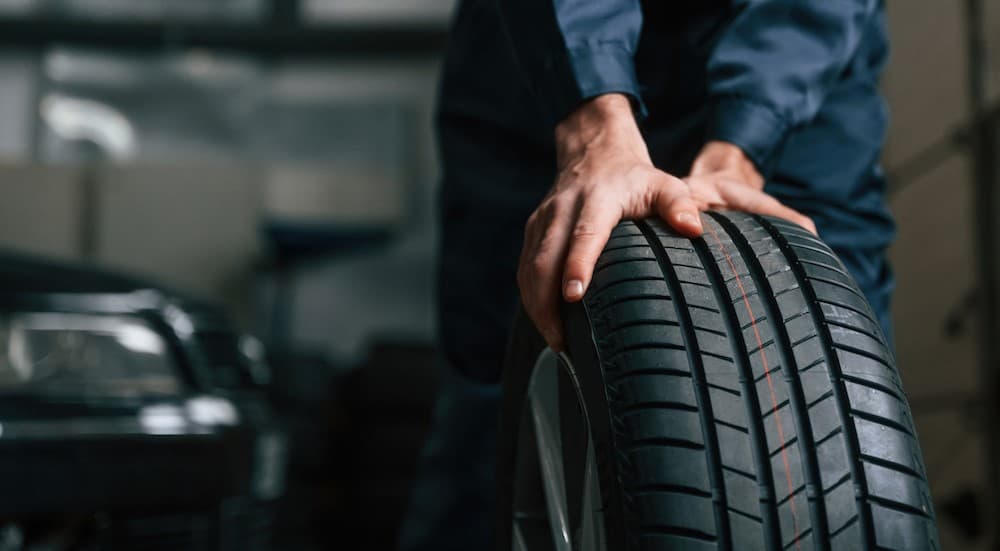
You’ll want to replace your tires once the tread has worn down to about 4/32 of an inch. You don’t need specialized equipment to monitor tread wear; simple visual inspections can often reveal when replacement is necessary. Modern vehicles come with tire wear bars, which give you a good indication of when your tires need to be replaced. If the tread is worn down to the bar indicator, which sits at 2/32 of an inch, it’s high time to replace the tires at a dedicated tire shop that carries the right kind for your vehicle.
There are other ways to check for tire wear as well. A measuring tape works. There is also the penny trick, where you place a penny upside down into the tread of the tire and see if the tread is worn down below Lincoln’s head. If that is the case, then it’s time to replace the tire.
Typically, the legal limit is 2/32 of an inch of tread left before it needs to be replaced. It’s generally advised to replace the tire when it is at 4/32 of an inch, as it gives you some room to replace it without risking riding on a bald tire, which can result in drifting, pulling, or hydroplaning if left unattended.
Need Help Shopping for Your Next Set of Tires?
If you’re searching for a tire shop with a wide selection of tires in the correct size and rating for your vehicle, LaFontaine Chevrolet Plymouth is ready to help. We offer dedicated tire service, repair, and alignment, ensuring you get the most life from your tires and maintain your vehicle’s health. Use these tips to protect your investment, and when you’re ready for professional service, schedule an appointment with our service center to keep your vehicle performing at its best. You can also easily reach out to us, and we can answer any questions you might have regarding your tires, balancing, alignment, and more.
Connect with us


- Car Dealership
- Chevy Blazer EV for Sale
- Chevy Blazer for Sale
- Chevy Corvette for Sale
- Chevy Dealer
- Chevy Dealer in Plymouth
- Chevy Dealer Near Canton
- Chevy Dealer Near Livonia
- Chevy Dealer Near Novi
- Chevy Dealer Near South Lyon
- Chevy Dealer Near Taylor
- Chevy Dealer Near Westland
- Chevy Equinox EV for Sale
- Chevy Equinox for Sale
- Chevy Silverado 1500 for Sale
- Chevy Silverado for Sale
- EVs for Sale
- Tire Shop
- Used Car Dealer
- Used Chevy for Sale
- Used SUVs for Sale